


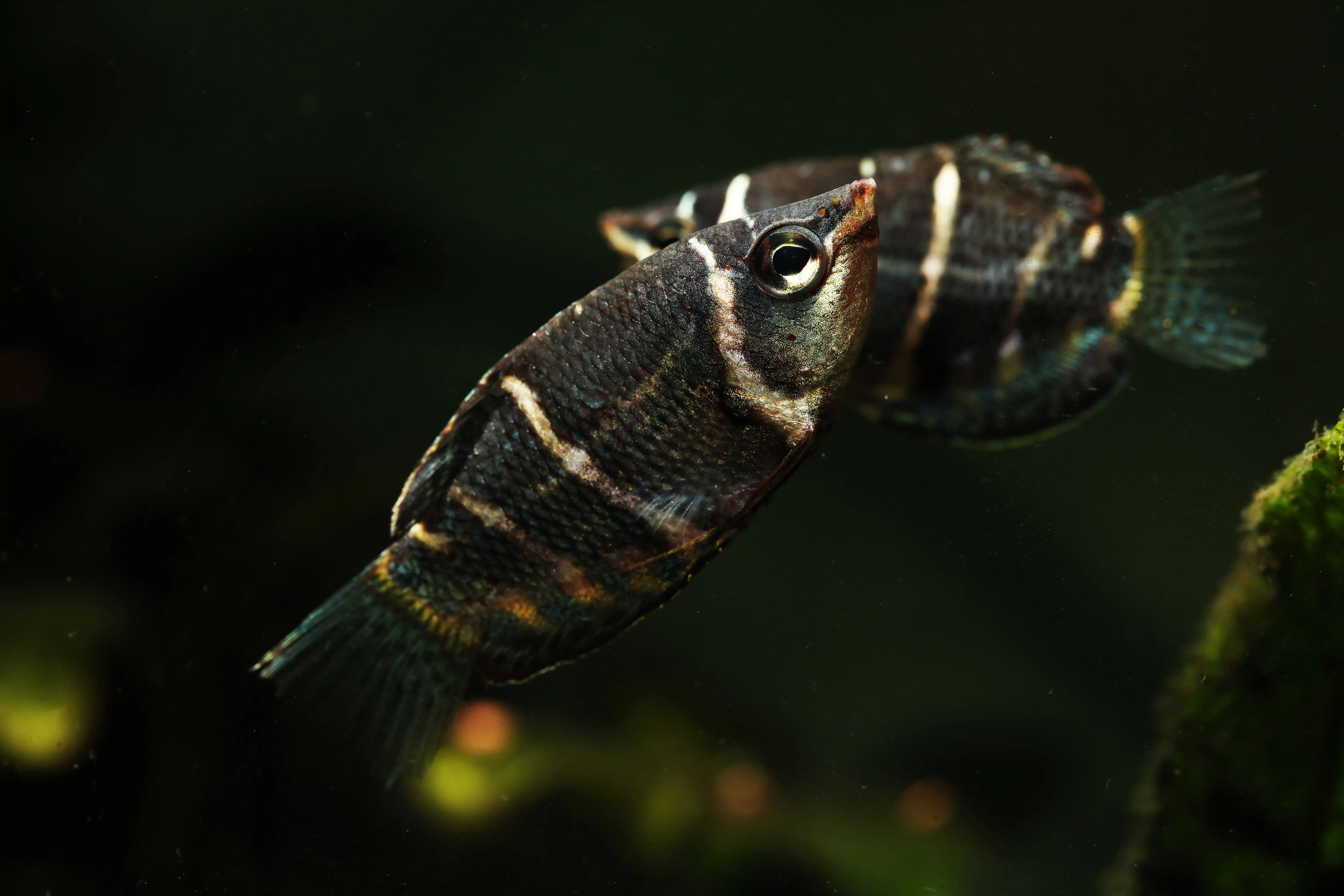
The gouramis of the Sphaerichthys genus are incredible to look at but difficult to care for. Find out how to succeed with these blackwater species.
The fishes of the Sphaerichthys are unique, delicate and beautiful. They are commonly called chocolate gouramis, thanks to the rich brown pigments many of the species display. However, these are fishes that are far better to watch than consume.
However, housing them in aquariums is not straightforward. These are specialist fish requiring specific conditions to thrive. Read on to learn how to care for the Sphaerichthys species, and perhaps even breed them.
Photos by shutterstock unless otherwise stated
Types of chocolate gouramis
Four different species currently exist in the Sphaerichthys genus:
Chocolate gourami (Sphaerichthys osphromenoides)
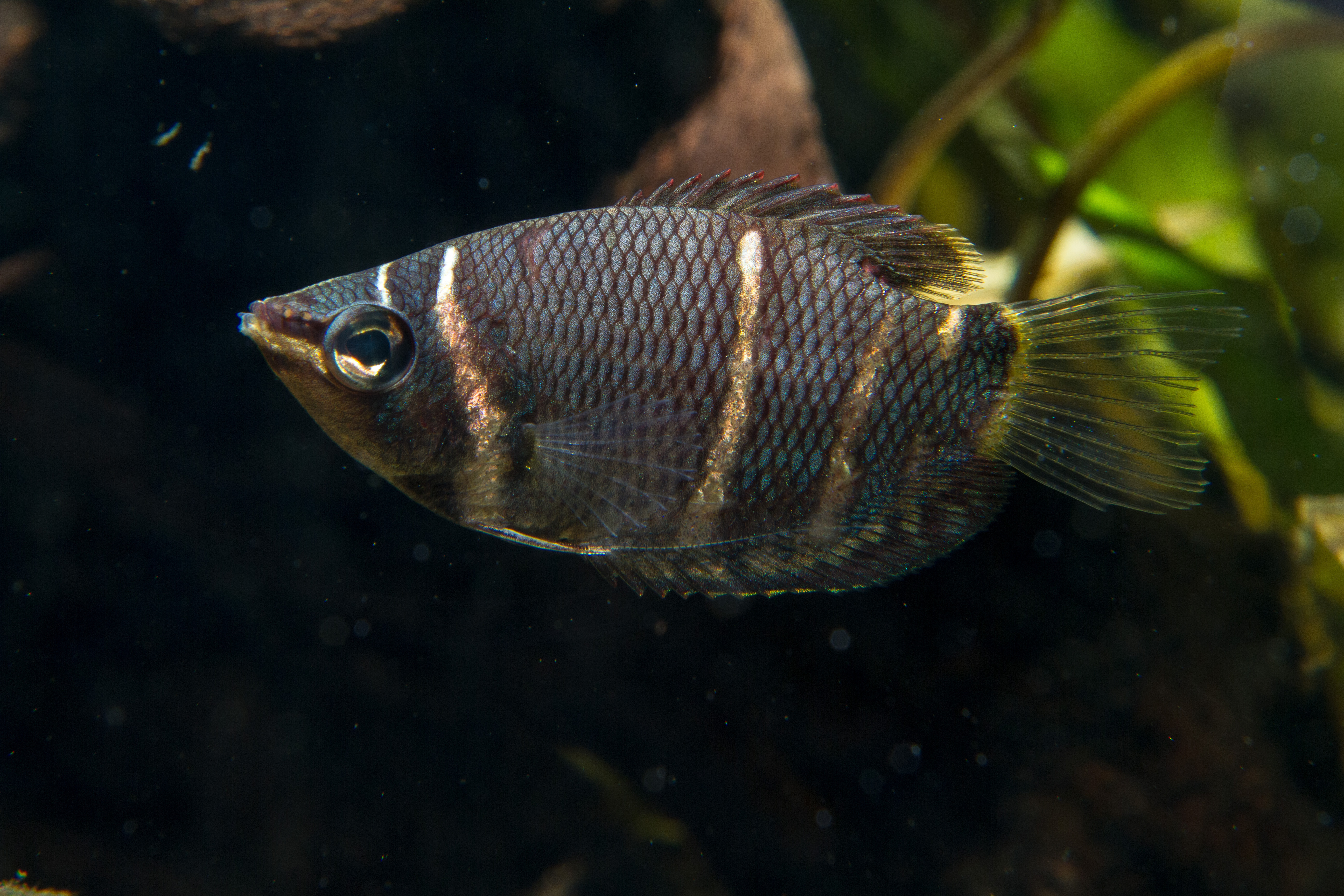
Crossband chocolate gourami (Sphaerichthys selatanensis)

Giant chocolate gourami (Sphaerichthys acrostoma)

Vaillant's chocolate gourami (Sphaerichthys vaillanti), also known as the samurai gourami.

The Vaillant's chocolate gourami is probably the most visually striking, well the females at least. The males display similar chocolate hues to the other species, whereas females (pictured above) display an array of colours in a striking pattern. Fortunately, they also seem to be the most resilient of the four, that is if you could say any of them were resilient.
Water parameters are critical for Sphaerichthys
These gouramis are sensitive, and water chemistry will be your first obstacle. They all inhabit the blackwater peat swamps of Southeast Asia. These habitats feature an incredibly low pH and negligible hardness.

Luckily, you don't need to aim for the extremely low pHs measured in these blackwater habitats, 6.5 will suffice. What these fish won't enjoy is the unstable pH that results from constantly chasing specific numbers.
The water must also be extremely soft, a hardness below 2°H is a must. To achieve these conditions many aquarists will need to resort to RO water or rainwater. This is because our tap water is usually too hard for these species. No matter how many botanicals you add, it will not remove these ions from the water.
Remember just because an aquarium is tea coloured, it does not mean it has soft acidic conditions.
Related article: A blackwater breakdown.
These are truly tropical fish, so maintain the water temperature at around 25°C (77°F). While they can survive in lower temperatures, they seem to slow down a little and you aren't likely to see breeding.
Chocolate gourami tank setup
These fish are shy and so tank setup can be make or break. They will not do well in a standard community aquarium, even if the water chemistry is suitable. Boisterous tetras and energetic barbs will outcompete them at feeding time, and stress them from their constant activity.
Instead a species only set up is best, especially if you aim to breed them, but a quiet 'communitope' can work. Small rasboras, like Boraras and Trigonstigma, and kuhli loaches (Pangio spp.) should be docile enough not to bother the gouramis.

Boraras brigittae would be a good tank mate Photo by Alex Bell
As for the aquarium, a 60x30x30cm (24x12x12") aquarium will work for breeding. Opt for a 90cm (36") aquarium for the larger Sphaerichthys acrostoma, for group housing of the smaller species, or for a peaceful blackwater community. decoration, take inspiration from their natural habitat. An aquarium with heavily tinted water, a good layer of botanicals and some rooty wood is ideal.
The dark stained waters limit light in these aquatic habitats, so aquatic plants are rare. Emergent plant growth is prevalent though. Therefore, a paludarium style set up with plenty of emersed grown plants can look very aesthetically pleasing. Plus, they will help with waste removal, sucking up nutrients from the water below.
Related article: 5 great house plants to grow above your aquarium.
If you do want to add a pop of greenery to the waters, opt for low light tolerant plants like Java ferns and Cryptocorynes. These will provide shelter and shade for your chocolate gourami.

Crypt growing in a low light blackwater aquarium Photo by Alex Bell
Filtration should be gentle, an air driven sponge will work just fine. Lighting should also be gentle. A low watt led spotlight can simulate sunlight penetrating the dense forest canopy which looks effective. It also provides areas of light and dark for the gourami to move between.
Breeding chocolate gourami
Once the fish are in, you can start working towards breeding these wonderful fishes. The first task is to get them feeding well to properly condition the fish.
Live foods are the best option as they will not pollute the water if the fish do not eat them straight away. Mosquito larvae and Daphnia work well and are readily available. While they will eat brine shrimp, it is a saltwater species and will die in freshwater after a while. If you opt for brine shrimp, feed small amounts regularly so they get eaten before they sink to the bottom.
Over time, your fish may learn to recognise frozen and prepared foods. However, this should not be relied upon when purchasing them as it is no guarantee. If they do begin to feed on these offerings, feed it along with live foods, rather than replacing them outright.
The fish's colours will intensify in the lead up to spawning, as they display to one another. This is especially noticeable with the female Vaillant's chocolate gourami. The pair will circle each other for quite a while before coming together and releasing the eggs in their chosen spot. The male soon collects the eggs in their mouth for incubation.

Female Vaillant's gourami at the front, circling with male at the back Photo by Alex Bell
Some sources indicate that female chocolate and crossband gouramis hold the eggs. However, this seems to be more down to incorrect identification of the genders as correct sexing in all but Sphaerichthys vaillanti is a challenge. The current consensus of experience hobbyists is that the males carry the eggs in all species.
In the likely event that you missed the actual spawning, there are plenty of ways to spot if a male is carrying eggs. He will become more reclusive, stop feeding, and his throat will be bulging. Also, he will gulp frequently to shuffle the eggs around in his mouth. The female also shows signs, her colours will fade and she will be less plump than before.
If you only have a pair, it is worth moving the female to another tank at around day five. This ensures the clutch is fertile and successful before stressing the fish.
If you have a group, leave them all in the tank and keep a close eye on the holding male. This ensures the male has invested plenty of time and effort into the brood before moving him, reducing the risk of him swallowing the fry.
At just over a week after spawning, move the male carefully into a separate aquarium. A small beaker is better than a net, and wait until he is asleep to catch him calmly. The second tank should have identical chemistry (fill it with water from the main tank) and cover the surface in floating plants. Soon you will hopefully spot small fry amongst the vegetation.
At this point, baby brine shrimp can be a great first food, despite its saltwater origins. Feed little and often to limit waste as you want to limit water changes as much as possible. The male can remain with the fry for a few days to build up some energy before rejoining the other adults.
Slowly introduce larger foods as the fry grow, start offering frozen and prepared foods, too. This will help with longer term feeding.

Are chocolate gouramis right for your aquarium?
These are beautiful but sensitive fishes. You must ensure you can provide the right aquarium conditions before buying them. If you do not have the ability to provide soft acidic water, perhaps avoid the chocolate gouramis for now.
The peat swamp forests that these fish originate from are a threatened habitat. Meaning that the fishes of this genus, and many others, are struggling too. Captive bred specimens are therefore the best option to reduce pressure on wild fish. Plus, they will likely adapt to life in your aquariums more easily.