


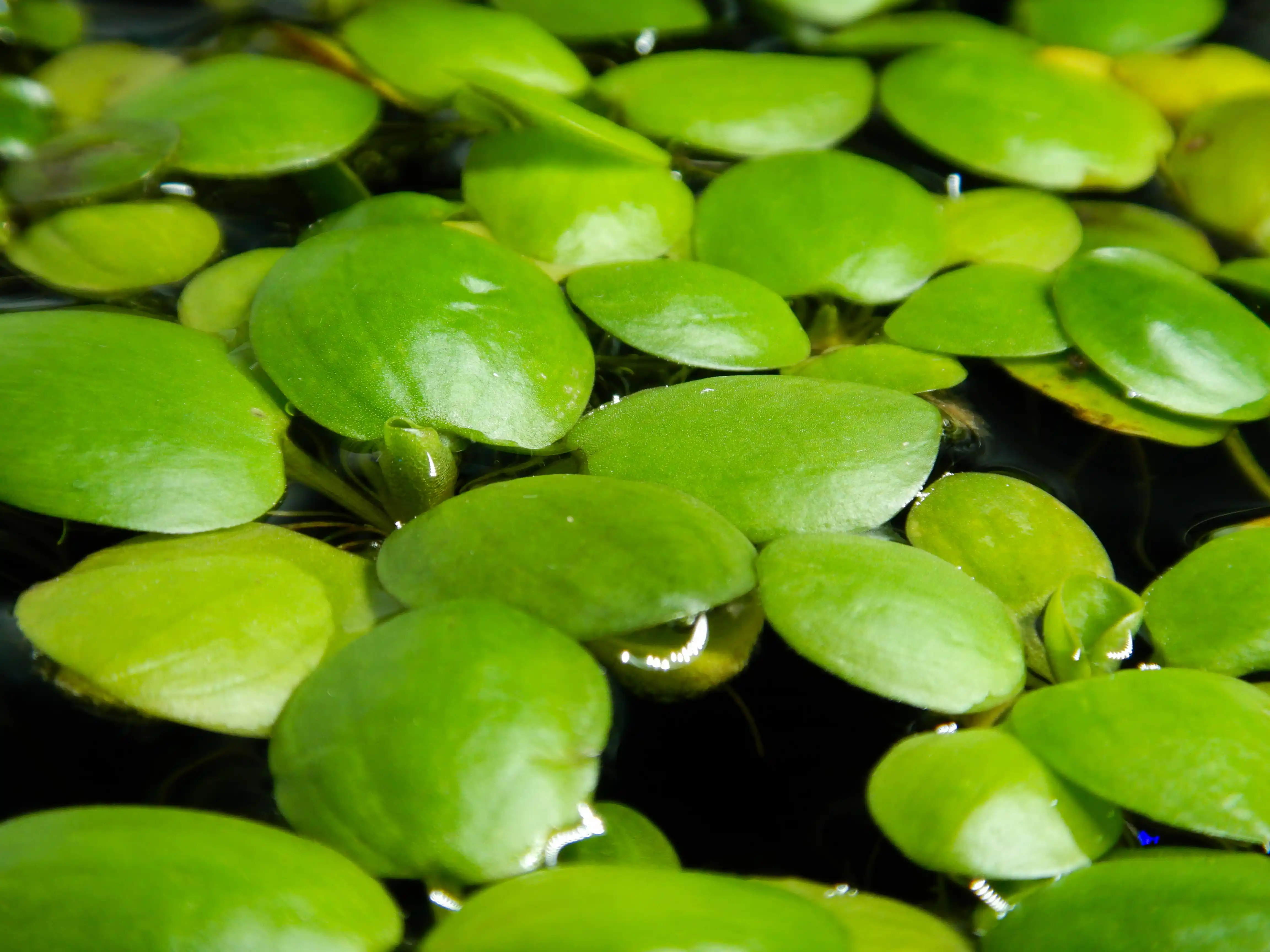
Floating plants, you either love them, or hate them. We investigate why they are so polarising, and suggest our favourite species for fish tanks.
Floating aquarium plants are certainly the marmite of the fishkeeping hobby. Some swear by their benefits, happily adding a handful of greenery to every aquarium they own. Others would rather maintain a barren fish tank than risk one leaf of duckweed get into their aquarium.
For some green fingered hobbyists these plants multiply quicker than you can give them away. On the other hand, in some tanks the roots quickly drop off, the leaves yellow, and the whole lot slowly melts away. So, why do we all have polar opposite experiences and opinions of these buoyant bouquets of greenery?
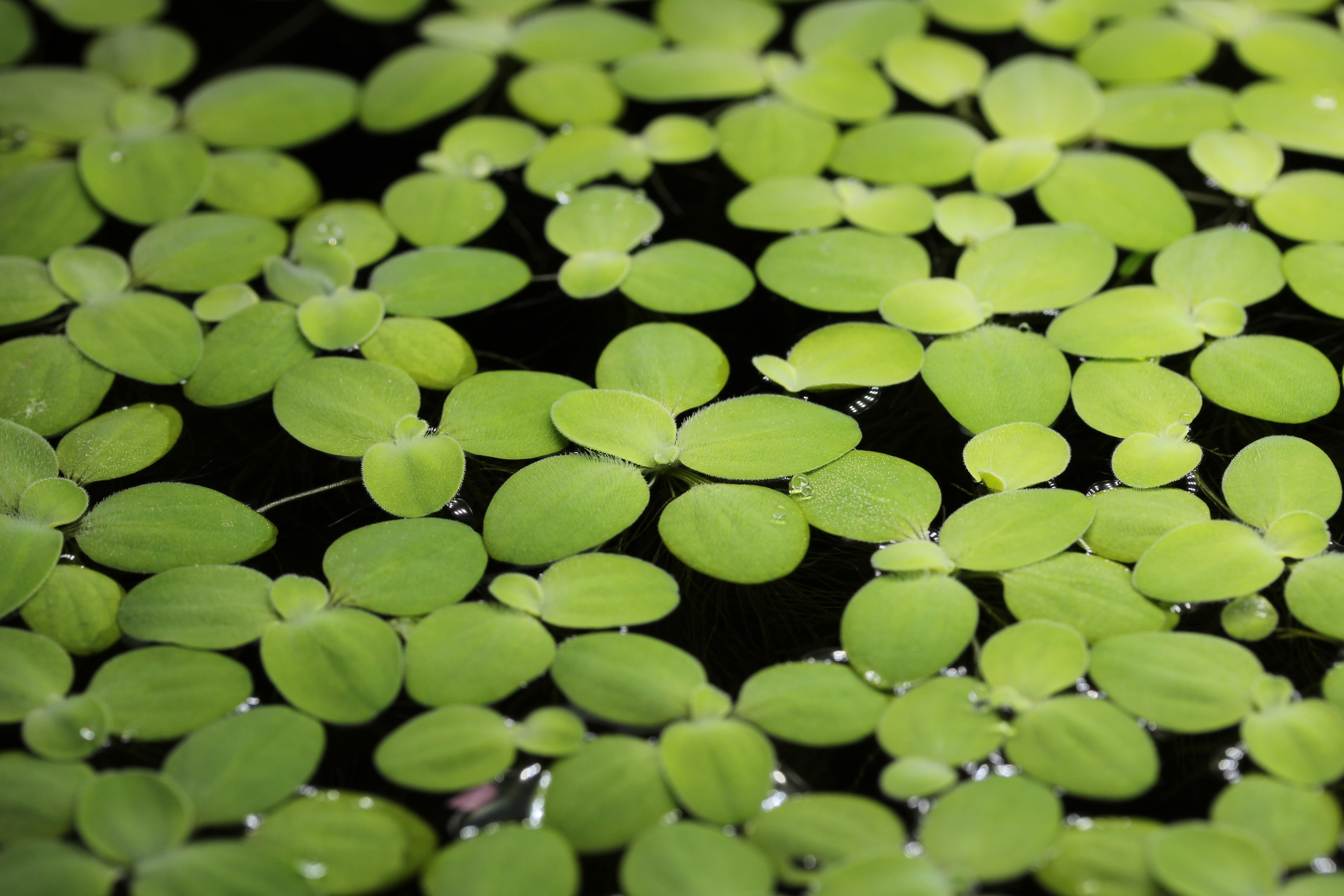
Related article: 5 easy and beautiful stem plants for your aquascape.
Aquarium conditions for growing floating plants
We generally glass floating plants as one of the easier live plants to grow. In fact, many species grow so fast when conditions are right that many countries restrict the sale of them.
Water lettuce (Pistia stratoides) is one of the most common floating plant species. Back in 2019, a ban was almost implemented on the sale of this species in the UK and across the EU. Fortunately, this particular species cannot survive the cold winter here, minimising the risk to our native waterways. Therefore, it is still present in the UK hobby today.
For an aquarium plant, these floating species don’t actually like to be wet. Well, the tops of their leaves don't want water on them at least.
This does mean aquariums with high, turbulent flow and lots of splashing will not be a suitable environment for these plants. Similarly, if there is lots of water dripping down from cover slides and condensation trays, these plants may also struggle to thrive. The leaves may begin to yellow, before slowly rotting away to mush. This is the most common reason that they struggles at times.
What they do like is bright lighting and nutrient rich water, both fairly easy to provide. A well stocked tank will provide plenty of nutrients. Equally, you can use a liquid fertiliser if you start seeing signs of nutrient deficiency. Since these plants sit above the water, a standard aquarium LED will usually suffice.
Related article: How to set up a simple - but stunning - planted tank.
Why do people dislike floating aquarium plants?
People dislike floating plants mostly because they grow too fast, meaning they spread and can take over the aquarium. In the case of duckweed, many fishkeepers’ nemesis, their tiny leaves are almost impossible to fully remove. After a short while this plant will cover the top of the tank once again unless you can remove every piece.

Manually scooping out the duckweed is a popular method of removal. We had good success by scooping out the surface water with a jug and pouring it back in through a net.
Less labour-intensive methods are available, like using a surface skimmer. Or you can make the conditions less favourable for the plant (by adding more flow). This only works if the fish will tolerate these conditions.
If you do not keep on top of removing the plants to keep them in check, they can become annoying. They stick to everything: your hands, siphons, nets, and anything else that comes into contact with the aquarium.
They also block the surface meaning when you add fish food it can sit on top the leaves, out of reach of your fish and slowly turning mouldy. The final reason I have come across as to why people dislike floating plants is the roots. Some species have incredibly long roots – I once had a 50cm (20") frogbit root that made its way into the substrate of the aquarium. These roots can block the view of your fish, and your carefully planted aquascape but they do have some benefits.
Related article: Our favourite tanks for beginner aquascaping.
The benefits of floating plants
Whilst these plants can annoy us, they are extremely beneficial to many species that call our aquariums home. They diffuse the light helping fish feel more secure and safe. This often results in them being braver and more visible in the tank. Plus, they are less likely to launch themselves out of the water onto the dry flooring of our homes.
The tangles of roots at the surface can also provide shelter for small fishes and fry. Young guppies often retreat to the cover of surface vegetation as do young halfbeaks.

Floating plants also provide an indirect benefit to our fishes through waste management. Their leaves sit above the water with a limitless supply of carbon dioxide, and brighter lighting. This means they can grow quickly, using up waste nitrogen and phosphate from the water below. This can be excellent for low tech aquascapes as they can outcompete algae.
This high demand for nutrient rich water also gives rise to another one of their uses. They can act as an indicator for low levels of macro and micro plant nutrients in heavily planted aquariums. This is known as the ‘Duckweed Index’.
By watching the leaf colour and growth rate of your floaters, you can add plant fertiliser when you notice a drop in their health. As they have such a high demand they suffer before your submerged plants do. This means you shouldn’t see signs of nutrient deficiencies in your aquatic plants below.
The diffusing of light and uptake of excess nutrients also make them useful for newly planted aquascapes. During this time the aquatic plants are often not growing, and instead are slowly adapting to life underwater. Yet your planted substrate is still leaching nutrients in the water which algae would otherwise use.
Floating plants compete with the algae, keeping it at bay until your aquatic plants begin to grow. At this point you can slowly reduce the floating plant mass until there is none left.
The best floating plants for your fish tank
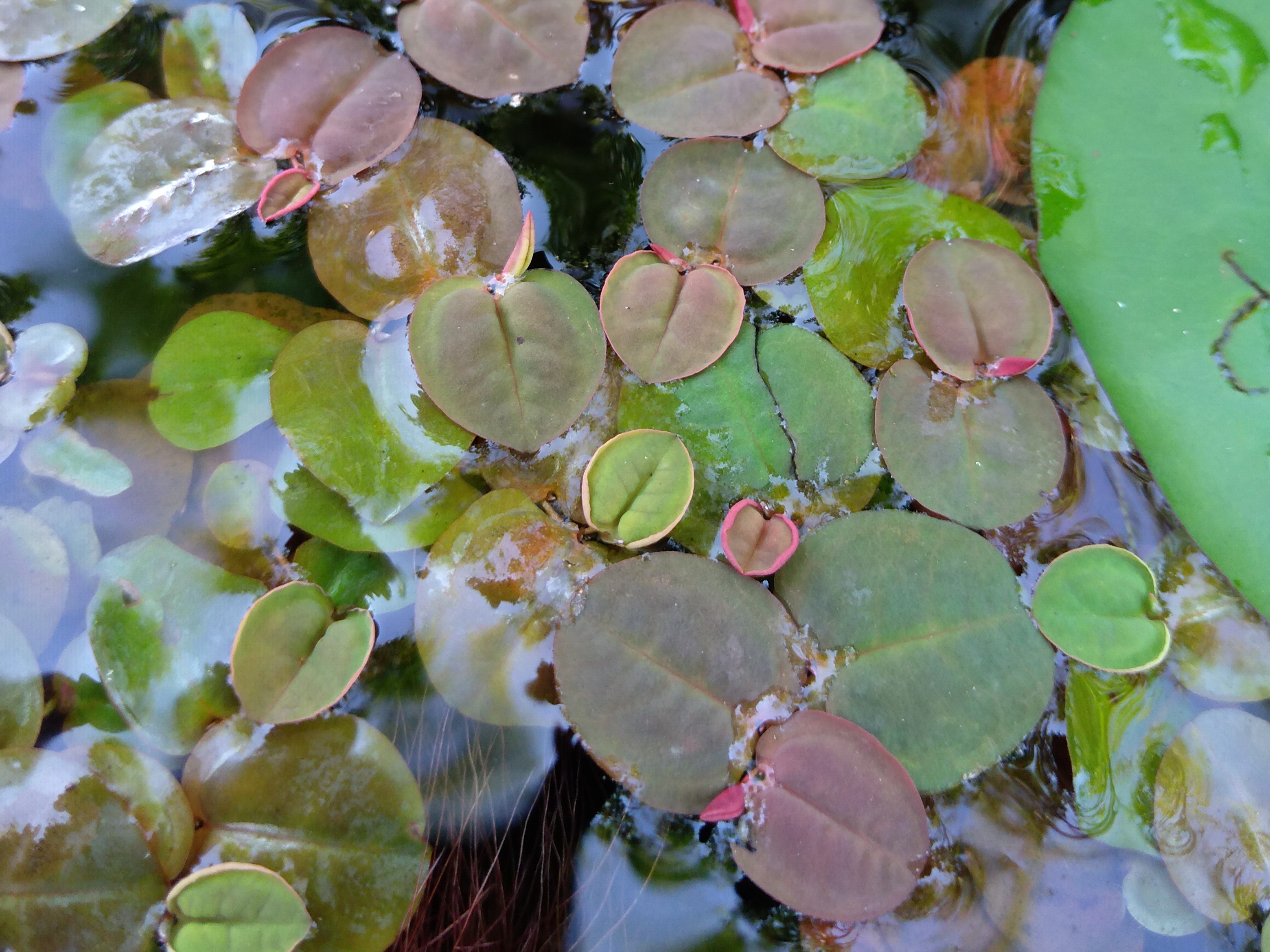
Red root floaters (Phyllanthus fluitans) are a lovely mid sized floating plant with red roots, as the name suggests. Under the right conditions the leaves can also go a lovely red. Some say high lighting can give redder leaves, while others say low nitrogen levels triggers the leaves to change colour. The likelihood is both methods will work.
Water lettuce (Pistia stratiotes) is a larger plant that can grow extremely long roots. Perhaps this is a plant species best suited for the larger aquariums rather than nano plant tanks. They even thrive outdoors in the summer and are popular with pond keepers too. They are widespread in the tropics and well suited for many biotopes.

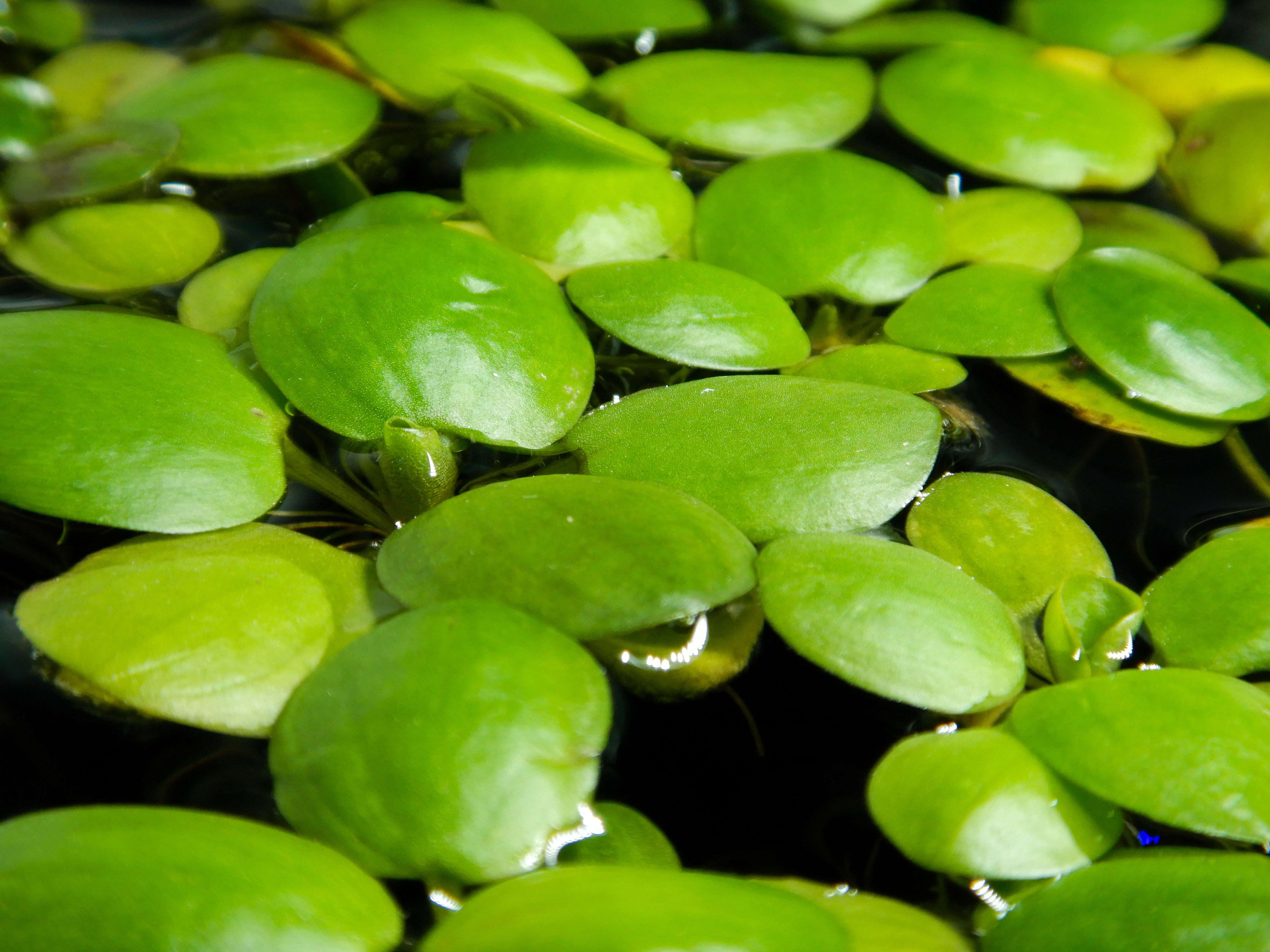
Amazon frogbit (Limnobium laevigatum) is similarly large with long roots, although the round leaves lie flat on the surface. Each plant can spread up to 15cm (6") across and will soon cover the water surfaces in small tanks. This is a species often used for the Duckweed Index.
Water spangles (Salvinia minima) have small delicate leaves, but not as small as duckweed making it easier to manage. The roots stay relatively short too, making them a great choice for nano aquascapes. This species is tolerant of lower light levels and is easy to care for.
Related article: Top 10 small fish for nano aquariums.
