


The first step in becoming a reefer is choosing the right tank. From tank size and placement to glass type and filtration, Jeremy Gay answers the most common questions new reefkeepers ask before buying their first marine aquarium.
Starting your journey into the world of reef tanks can be a daunting prospect. While there are plenty of similarities with other areas of fish keeping, there are also some important differences to learn.
To help you succeed with your first reef tank, I've produced a series of articles designed to guide you through the process — from choosing the perfect aquarium through to selecting your first livestock.
Today, we begin with the first step and perhaps most important step, the aquarium itself.
More from our Beginner's Reef Guide:
Choosing Your First Reef Tank
When beginning a new saltwater aquarium, the first thing to do is choose the tank. For reef tanks, size is the first major consideration, and that decision is usually driven by one of two things: the space you have available or the fish you want to keep.
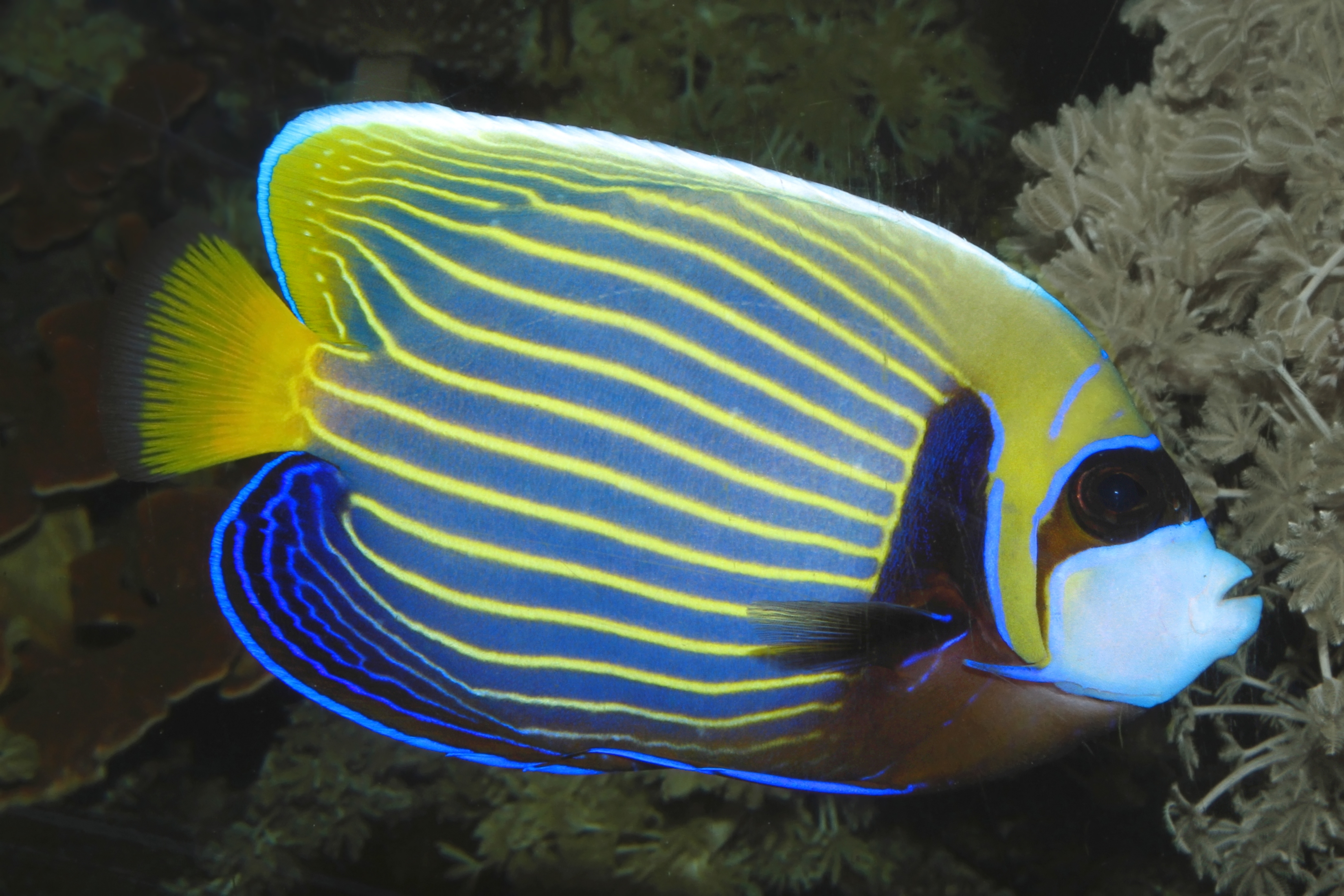
Some marine fish species grow surprisingly large. Emperor angelfish and lipstick tangs, for example, can exceed 30cm (12") in length and require a very spacious aquarium. If either species is on your must-have list, you’ll need a tank measuring at least 180cm (6') long to house them properly.
For many hobbyists, however, the available space dictates the aquarium size. If the tank has to fit into a specific alcove or wall space, choose the maximum tank length you can comfortably accommodate, then build your livestock plans around it.
Corals can thrive in almost any sized aquarium, but active swimmers such as tangs need room to cruise. Yellow tangs and regal tangs remain hugely popular reef fish, yet placing one in a 60cm (24") aquarium is neither fair to the fish nor likely to win approval from experienced reefkeepers. Long term, the fish simply won’t thrive.
Related article: Back to saltwater: starting simple with beginner corals.
One piece of advice you’ll hear repeatedly in reefkeeping is that larger water volumes are more stable. Corals depend heavily on stable water conditions, so bigger tanks generally make reefkeeping easier. Larger aquariums also allow you to keep more fish and corals, indeed starting small often means an upgrade or second aquarium in a couple of years time.
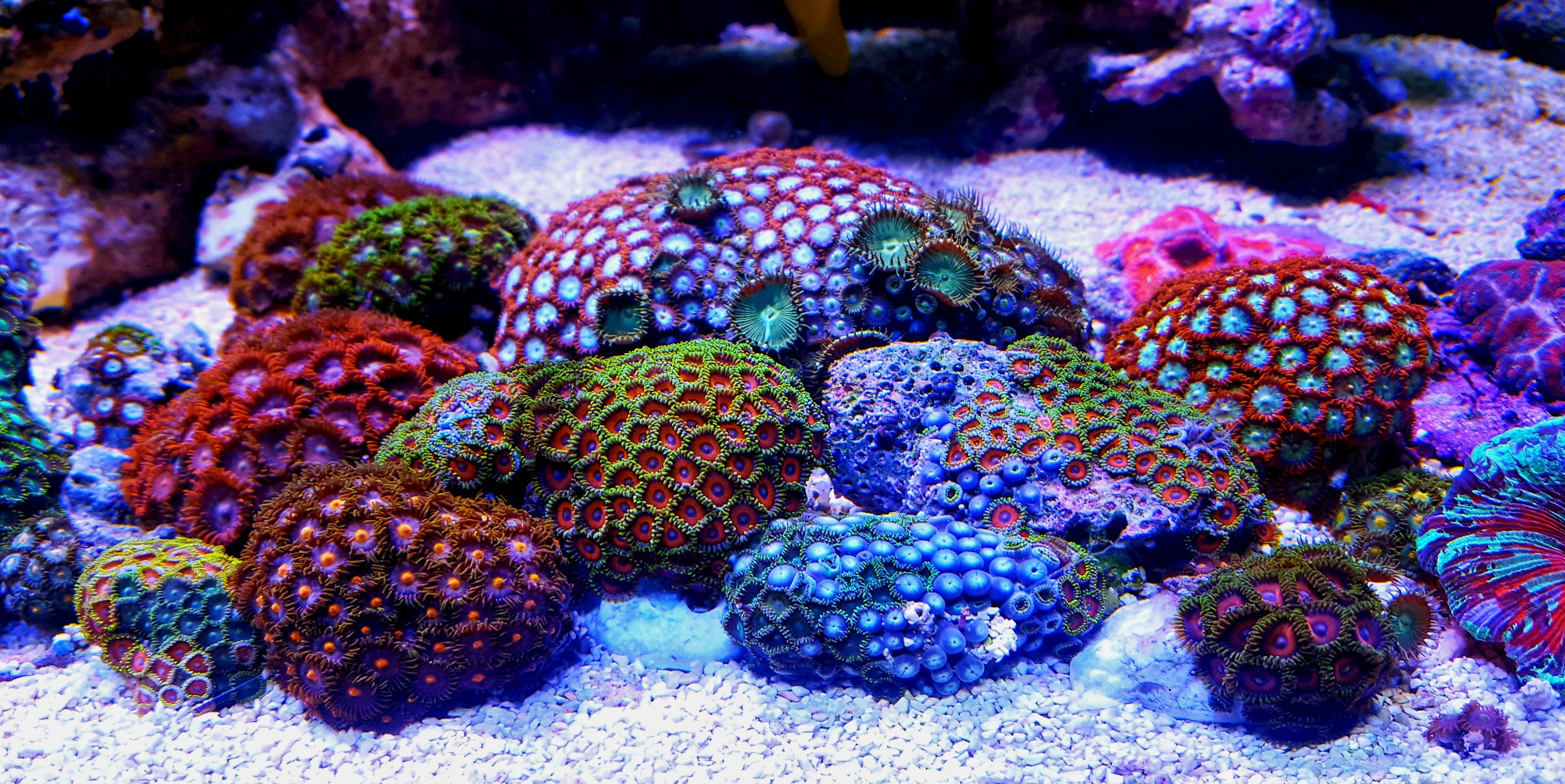
That said, limited space doesn’t mean you have to abandon the dream of owning a reef tank. Nano reef tanks — typically 60cm (24") or smaller — have become incredibly popular. While tangs are off the stocking list, there are hundreds of suitable nano fish and invertebrates available, alongside affordable coral frags — small cuttings of corals that are perfect for growing on in compact marine setups.
Related article: How do I cycle my new nano reef tank?
Where Should You Put a Reef Tank?
Tank placement is more important than many beginners realise. Water is heavy — one litre weighs roughly one kilogram — and once you add the glass aquarium, cabinet, sump, sand, rockwork and equipment, a fully aquascaped 150cm (5') reef tank can easily weigh half a tonne or more.
Ideally, a marine aquarium should sit on a purpose-built aquarium cabinet. In fact, some manufacturers may invalidate the warranty if their tank isn’t used with the matching stand.
Floor strength also matters. Concrete floors are ideal, but traditional timber floors are usually perfectly adequate provided the tank spans across the floor joists rather than running parallel with them. After all, homes have supported full bathtubs for decades without issue.

Photo by Tropical Marine Centre
Even nano reef tanks benefit from a dedicated cabinet, like TMC's Next Wave pictured above. Aside from supporting the aquarium safely, the storage space underneath quickly becomes invaluable for test kits, salt, maintenance tools and top-up water.
Related article: Which nano reef tank is best for a bedroom?
Best and Worst Locations for a Reef Aquarium
If you have several possible locations in a room, some will work far better than others.
Avoid placing a reef tank in direct sunlight, as excess natural light encourages nuisance algae growth. The aquarium should also be positioned away from televisions so it can remain the room’s focal point rather than competing for attention.
A spot opposite a comfortable chair is ideal, allowing you to enjoy the tank properly once it matures.
Practical considerations matter too:
- Keep the tank close to electrical sockets, but never directly above them
- Avoid placing aquariums near speakers, as vibration can stress fish
- Ensure there’s enough access around the tank for maintenance
Why Don’t Most Reef Tanks Have Lids?
Many beginners are surprised to discover that most reef aquariums are open topped.
There are several reasons for this. Open-topped tanks allow much better gas exchange, helping oxygen enter the water while allowing carbon dioxide to escape more efficiently. This is particularly important in marine systems with high biological activity.
Open tanks also provide easier access for aquascaping, coral placement and routine maintenance.
Lighting is another major factor. Reef corals require powerful lighting systems, often mounted above the aquarium on brackets or suspension kits. Due to heat and ventilation requirements, high-output LED reef lights generally can’t be enclosed inside a traditional aquarium hood.
The downside is obvious: fish can jump.
Fortunately, purpose-made mesh covers and net lids are widely available for reef tanks of all sizes. These allow airflow and light penetration while preventing expensive livestock from ending up on the carpet.

Photo by Red Sea
Related article: Colourful gobies for your nano reef tank.
What Is Low Iron Glass?
Low iron glass is a premium aquarium glass designed to be clearer and more colourless than standard float glass. If you have experience with freshwater aquascaping, you are probably already familiar with it.
Regular aquarium glass typically has a slight green tint, especially when panels exceed 10mm thickness. Low iron alternatives — often marketed under names such as Ultra Clear, Starfire, Opti-White or Super White — dramatically reduce this tint for a much cleaner, high-definition viewing experience.
Under bright reef lighting, the difference can be striking.
However, the improved clarity comes with one downside: scratches are often more visible. Care should therefore be taken when cleaning algae from low iron glass, particularly when using magnetic cleaners or blade scrapers.
Which Shape of Reef Tank Is Best?
For most marine aquariums, long rectangular tanks remain the best option.
Marine fish naturally swim horizontally, so longer tanks provide more exercise space and more natural swimming behaviour. Rectangular aquariums also maximise surface area, improving oxygen exchange.
If you want more water volume in a smaller footprint, cube aquariums are a popular alternative.
Dedicated coral growers may prefer shallow “frag tanks”, which are wide and low-profile. These maximise light penetration and make coral maintenance much easier, especially for hobbyists who spend a lot of time working inside the aquarium.
Sump or No Sump?
Modern reef aquariums rely on a surprising amount of equipment. Return pumps, protein skimmers, reactors and roller filters all help maintain water quality and stability.
The best place to hide this equipment is inside a sump — a secondary tank positioned beneath the main display aquarium.

AquaMarin Pro aquariums come supplied with a sump — Photo by Maidenhead Aquatics
A sump offers several advantages:
- Keeps equipment hidden from view
- Reduces noise in the display tank
- Increases total water volume
- Improves overall system stability
For these reasons, sump systems are used by the overwhelming majority of experienced reefkeepers worldwide.
If space or budget prevents you from installing a sump, an All-In-One (AIO) reef tank is an excellent alternative. These aquariums feature built-in filtration chambers at the rear of the tank, allowing heaters, pumps and filtration equipment to remain hidden without the complexity of external plumbing.
For many beginners, an AIO reef tank offers the ideal balance between simplicity and performance.
Final Thoughts on Choosing a Marine Tank
Selecting the right reef tank is one of the most important decisions you’ll make as a marine aquarist. Tank size, placement, filtration and design all affect long-term success.
Choose the largest aquarium your space and budget comfortably allow, match your livestock to the tank rather than buying fish that will out grow it in the hope that you may one day upgrade to a larger tank.
Get the foundations right, and you’ll be well on your way to building a successful reef aquarium.
Make sure you sign up for our email newsletter so that you don't miss the release of the next part of our Beginner's Marine Guide.