


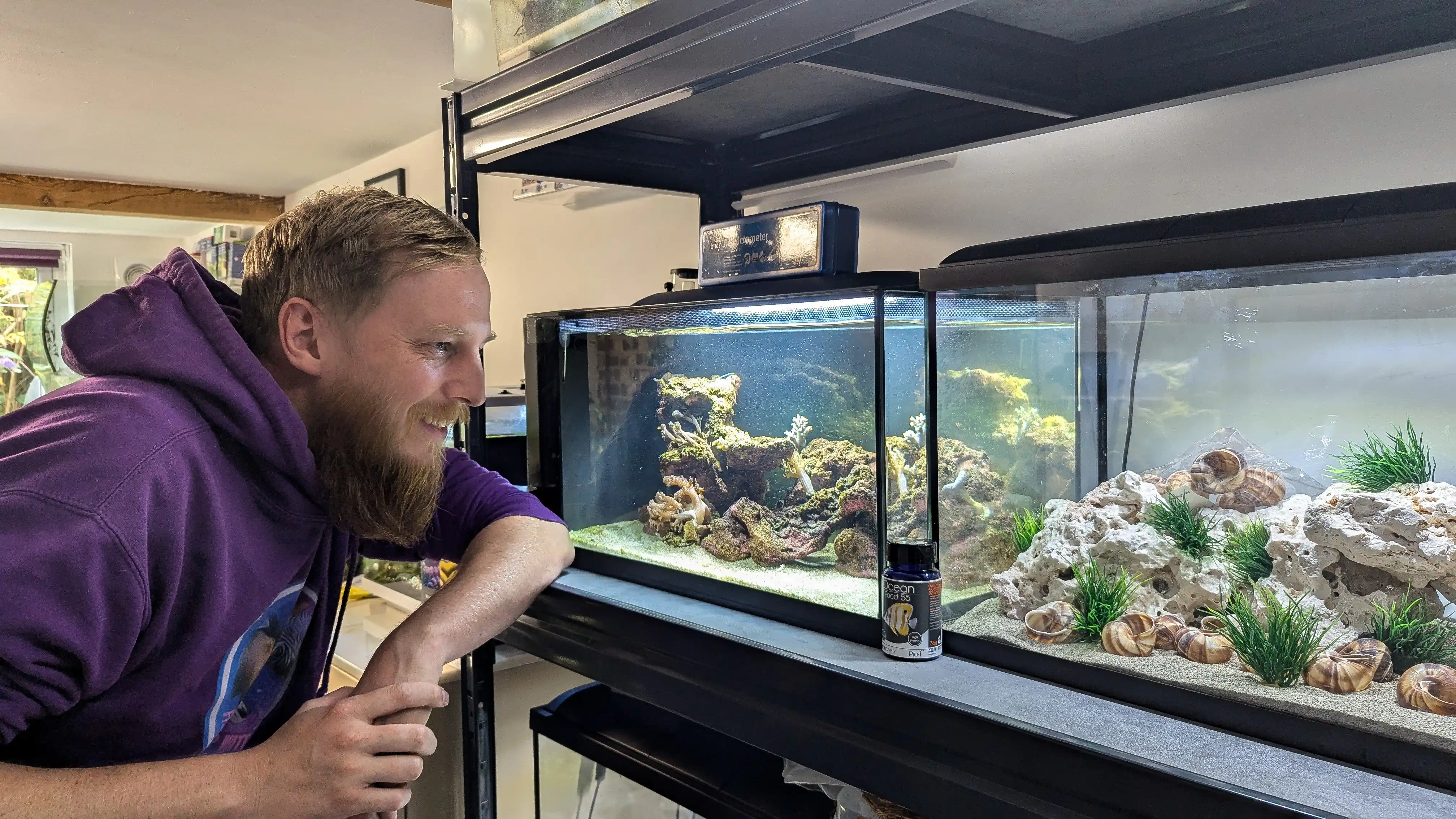
Matt Hayes (Fish Shop Matt) has returned to the saltwater hobby to show how achievable it is for beginners. He shares his top 5 corals for beginner reef hobbyists.
I’ve been around saltwater aquariums for a long time and after a bit of a break I am back. I’ve kept just about every style of saltwater aquarium from full-blown reef tanks to simple fish-only setups. I never got as far as an SPS tank though.
Then for nearly 20 years, I sold aquariums. Helping people get into the amazing world of aquarium keeping. But like many hobbyists, life got busy, and I eventually stepped away from the saltwater hobby.
Recently, though, I’ve found my way back and I couldn’t be more excited. This time, I’m diving back in with a fresh outlook and a mission. I aim to show people that reefkeeping doesn’t need to be complicated or expensive. For this I am using a TMC First Wave tank.
You can watch part one of my saltwater tank build here!
It can be easy to scroll through social media and feel like you need a high-end tank with every gadget under the sun. However, the truth is, you can have success with a far more achievable system. Everyone has to start somewhere, and a small, simple setup can be just as rewarding (and a lot less stressful).
I am sharing the full journey into the reef aquarium world on my YouTube channel. This is with the aim to inspire others to give saltwater aquariums a try. I plan to share all the ups and downs so people can see exactly what to expect.
This hobby is about enjoying the ocean’s beauty in your own home, not breaking the bank or chasing perfection. With that in mind, I want to outline some easy corals that are perfect for these entry level marine aquariums.
Related article: A quick guide to hard (stony) corals.
5 best beginner corals
Below are my top picks for the 5 best beginner corals, some of which I have already added to my new reef tank. These are all soft corals, as hard corals tend to be more demanding. Although, there are some LPS corals that can work for beginners.
1. Zoas (Zoanthus)
Zoas are popular with both beginner and experienced hobbyists. They are available in a wide variety of colours and patterns making them incredible attractive.
Experienced zoa keepers often take a "Gotta Catch 'Em All" approach to these colourful zoas. They will buy loads of frags, collecting the different new and exciting varieties.
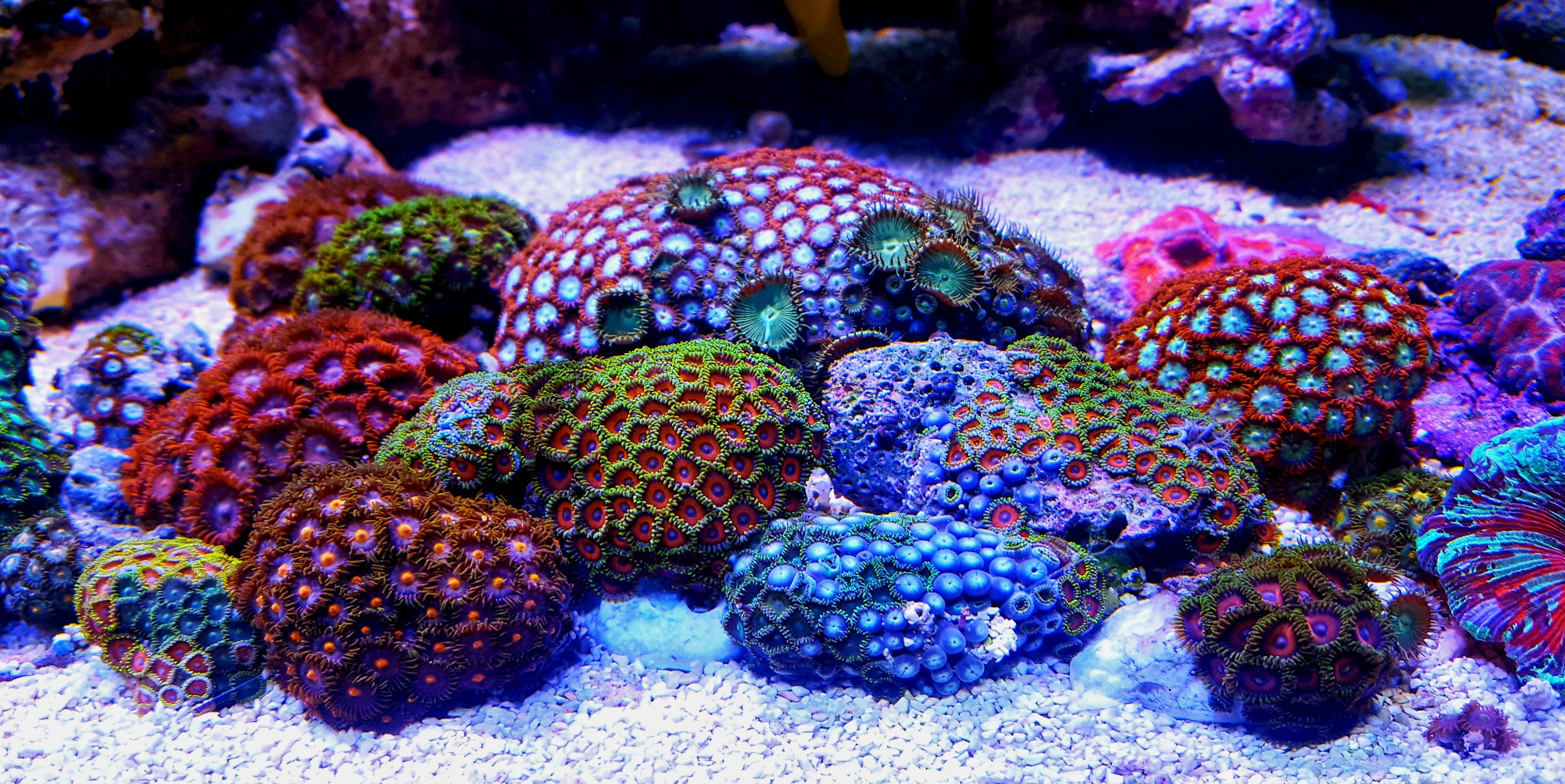
Quick guide to zoas
- Type: Soft coral
- Requirements: Moderate to high lighting with moderate flow of water.
- Feeding: Not necessary, but may benefit from occasional coral food.
- Placement: Depends on the light intensity, but generally well suited to the mid to lower reaches of the tank.
- Growth Rate: Will grow quickly.
- Colour Variety: Huge range, you can find a zoa of almost any desirable colour.
- Care Level: Easy.
- Ideal For: Colour variety and easy propagation.
- Watch Out: May close up if irritated by pests or clean up crew (e.g., nudibranchs, algae and hermit crabs). May release palytoxin, wear gloves when handling and wash hands afterwards.
2. Mushroom corals (Discosoma, Rhodactis, Ricordea)
Mushroom corals are quite anemone like in their behaviour and the way they anchor to rockwork. The foot of a mushroom coral resembles the pedal disc of an anemone, however they are far less mobile.
In the hobby, there are various species and even genera of mushroom coral available. The majority of mushrooms have similar care requirements, being generally quite easy. They are also usually an affordable coral making them ideal for beginners.

Quick guide to mushroom corals
- Category: Soft coral
- Requirements: Low to moderate water movement and light.
- Feeding: Not necessary, though some may consume small meaty foods.
- Positioning: Ideal for shaded sections of the aquarium, often near the bottom.
- Growth Rate: Moderate.
- Colour Variety: Some exhibit neutral, earthy hues, while others display vibrant neon shades.
- Care Level: Easy.
- Ideal For: Areas with low light and minimal upkeep.
- Watch Out: Certain varieties may emit mild toxins when stressed.
3. Green star polyps (Briareum violaceum)
A weed that needs eradicating or a colourful coral that is hardy and tolerates a blip in water parameters. Green star polyps (GSP) is a little polarising, but don't let that put you off if you like the look. GSP is easy to care for, just keep it away from other rocks or be ready to trim the coral back when it begins to creep too far.

Quick guide to green star polyps
- Category: Soft coral
- Requirements: Adaptable, likely to grow anywhere where flow rate isn't totally excessive. Moderate light and moderate flow is ideal to see GSP at its best.
- Feeding: Not necessary, but may benefit from occasional coral food.
- Positioning: Isolate on a rock island to prevent it from outcompeting other corals. Can grow up the back of a tank to create a bright green wall.
- Growth Rate: Incredibly fast when settled.
- Colour Variety: Bright neon green polyps on a purple mat
- Care Level: Super easy.
- Ideal For: Eye-catching movement and fast results
- Watch Out: Can overgrow and smother nearby corals, sometimes worth isolating on a rock island. Equally, cut it back and grow frags to give to fellow reef hobbyists.
4. Toadstool leather coral (Sarcophyton)
All the corals so far stay low and creep over the rocks, but not the toadstool corals. They can grow tall, wide and can make for quite an impressive sight when you encounter a mature specimen. Fragging is easy, simply cit small sections off the 'mushroom cap' and they will regrow into miniature frags.
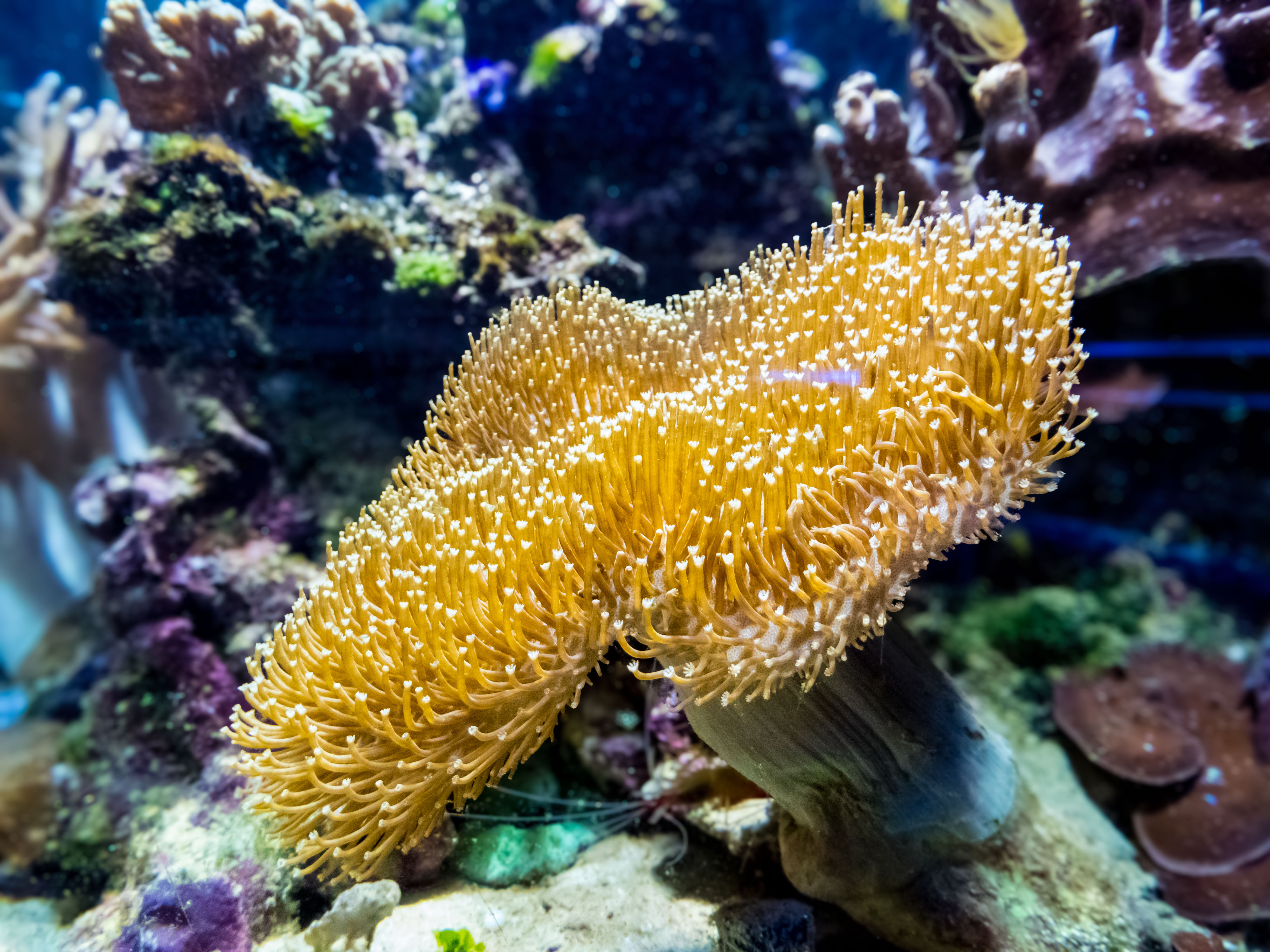
Quick guide for toadstool corals
- Category: Soft coral
- Requirements: Moderate light and flow rate for best results.
- Feeding: Not necessary, but may benefit from occasional coral food
- Positioning: Mid to top of the rockwork, can add height to the aquarium.
- Growth Rate: Moderate.
- Colour Variety: Usually quite neutral colours although many varieties are available with green and pink hues.
- Care Level: An easy coral.
- Ideal For: Unique shape and texture that can add height to the scape.
- Watch Out: Can release chemicals to compete with other corals. These corals occasionally shed their outer layer causing them to close for a few days.
5. Pulsing xenia
The marmite of all corals, this softie is a fast growing coral and can become a nuisance. Experienced reefers may detest it, but it is great for adding movement to a coral reef with its unique pulsing.
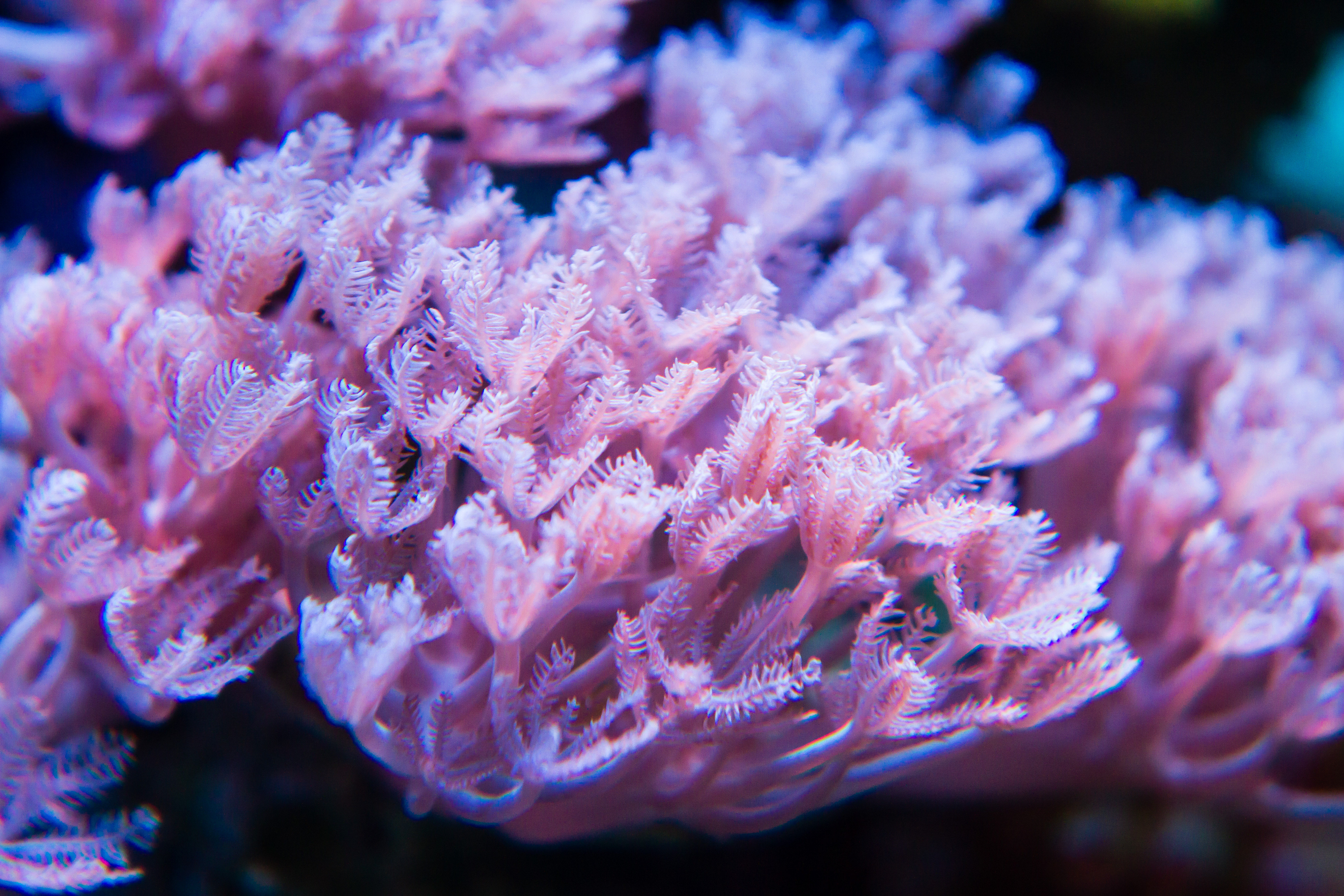
Quick guide for pulsing xenia
- Category: Soft coral
- Requirements: Low to moderate flow and adaptable to varying light levels.
- Feeding: Not necessary, but may benefit from occasional coral food
- Positioning: Best to keep them isolated from other rock structures with different corals on as it will spread.
- Growth Rate: Extremely fast.
- Colour Variety: Pale pink, white, or light lavender
- Care Level: Easy, but fast growing and can take over the rockwork.
- Ideal For: Adding movement and visual interest from the pulsing.
- Watch Out: Can take over the tank quickly keep isolated
Related article: Enemy anemones