


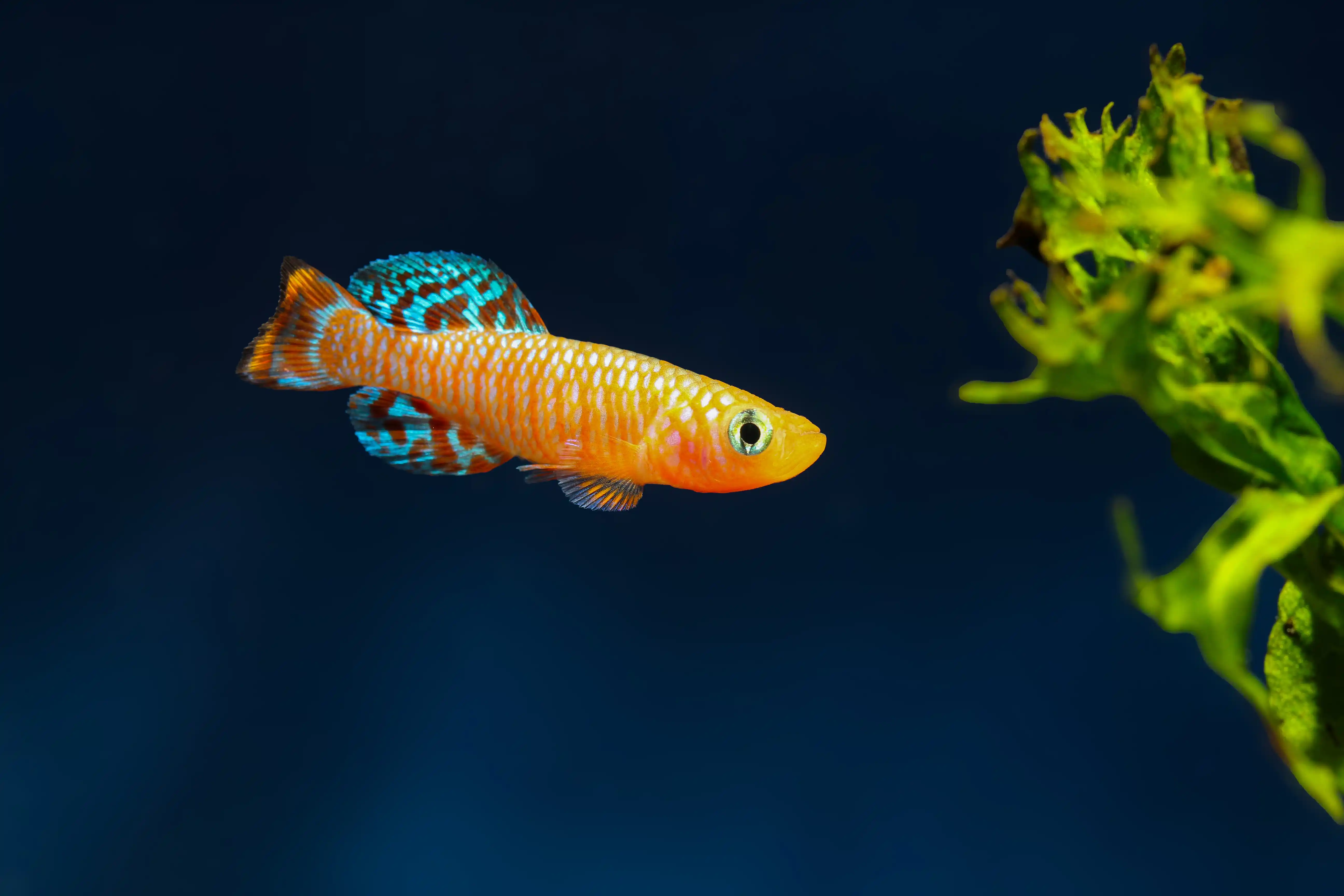
Neale Monks highlights the key parts of keeping and breeding notho killifish to help one of our readers start their journey.
My local retailer often stocks a few unusual fish. He has some small Nothobranchius rachovii killifish available at the moment.
I know they're a short-lived, annual killifish, but I wondered if they would make an interesting breeding project. How should I set up the tank for them? I've bred cichlids and corys but this would be my first time breeding killifish, so any advice would be welcome.
PHIL MAYCOCK
Neale's advice on keeping and breeding annual killifish
Stunningly beautiful as they may be, Nothobranchius rachovii go for the ‘live fast, die young’ way of life. Even in the aquarium, these fish rarely live for a year, and in the wild they’d be lucky to see six months.
While that sounds a bit rough to us, this does allow them to colonise temporary pools denied to other fish. This means these bluefin notho have access to space and resources that other fish can’t use.
The problem for the aquarist is that the adult fish encountered in shops are likely halfway through their lifespan already. This makes it important to get them breeding as soon as possible. You might only have those adults for another four months before they die of old age.
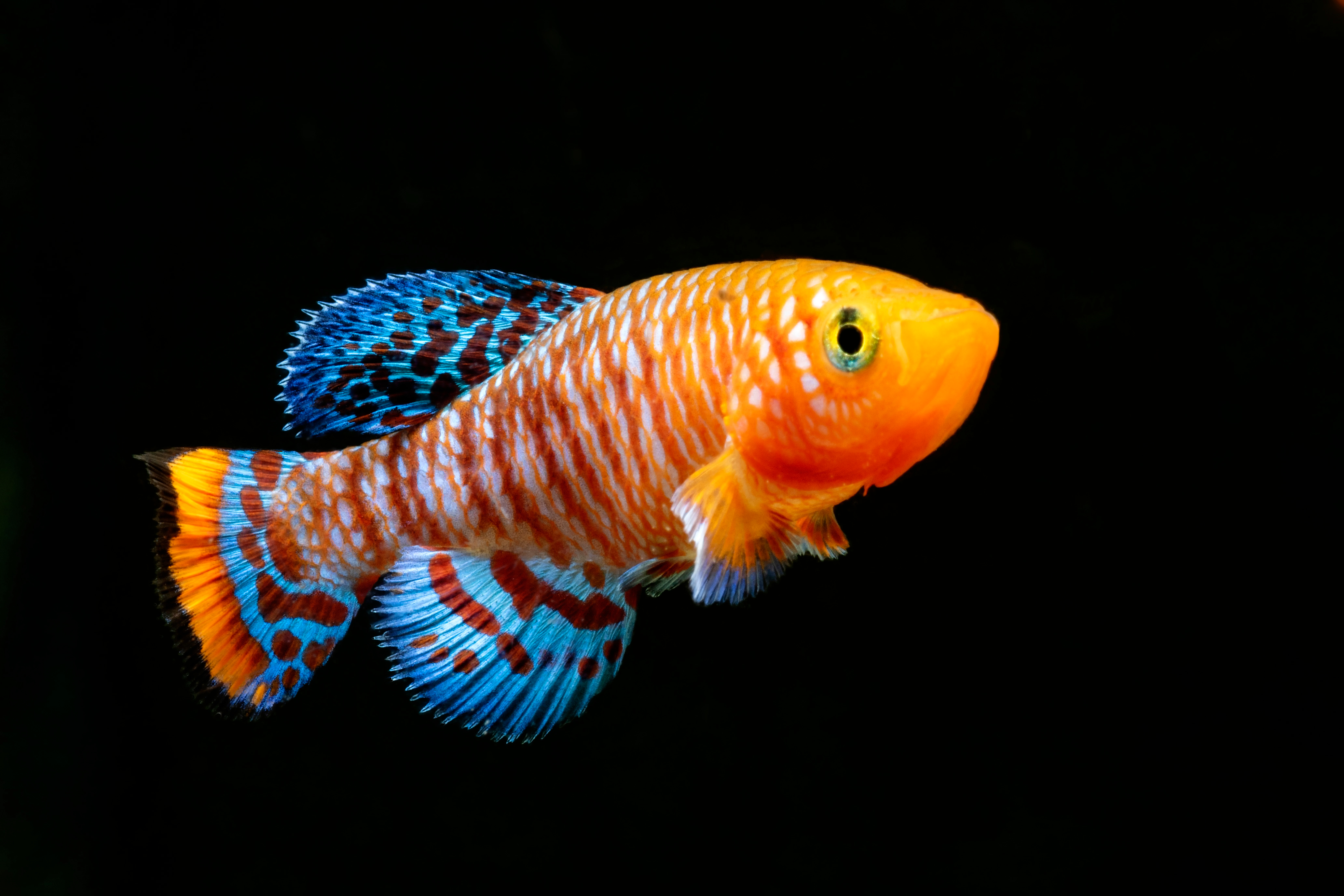
Tank set up for Nothobranchius
A small aquarium measuring 45x30x30cm (18x12x12") will suffice for a male and two females. Decorate the small tank with sand, low light tolerant plants and aquarium safe wood to provide abundant cover.
Nothobranchius are quite tolerant of water conditions. Dechlorinated tap water will suffice for many aquarists, although do check your parameters first. Extremely hard and alkaline water will not be suitable, so utilise remineralised reverse osmosis water instead.
Filtration should be gentle but enough to ensure no blips in water chemistry. An air driven sponge filter will be sufficient. These fish can jump, as in the wild they can attempt to move between pools of water in their natural habitat. Therefore, a tight fitting lid is a must.
Leave enough space in your aquascape design for a spawning container. This will need adding once your fish mature.
Spawning notho killifish
Luckily, these fish don’t take a lot of convincing to start spawning. Fairly soft, slightly acidic water, a temperature around 22°C (72°F), lots of food, and a spawning substrate is perfect. Peat moss or peat fibre is often the substrate of choice, but coco coir also works well and is more sustainable.
Males can be persistent with females, so condition the females first and make sure there’s lots of cover. A ratio of at least two females per male is best. Spawning will happen soon enough, with a few eggs deposited every day.
Different killifish keepers have different approaches to what you do with the eggs. Spend some time reading up on these to refine your methods. The British Killifish Association has plenty of quality information and experience.
But the basic gist is that you move the peat and eggs to another container with some aquarium water in it. Then slowly remove the water so the peat slowly dries out. The top of the peat should be dry enough that it’s a lighter brown, and crusty. This will lock enough moisture in underneath to keep the eggs healthy.
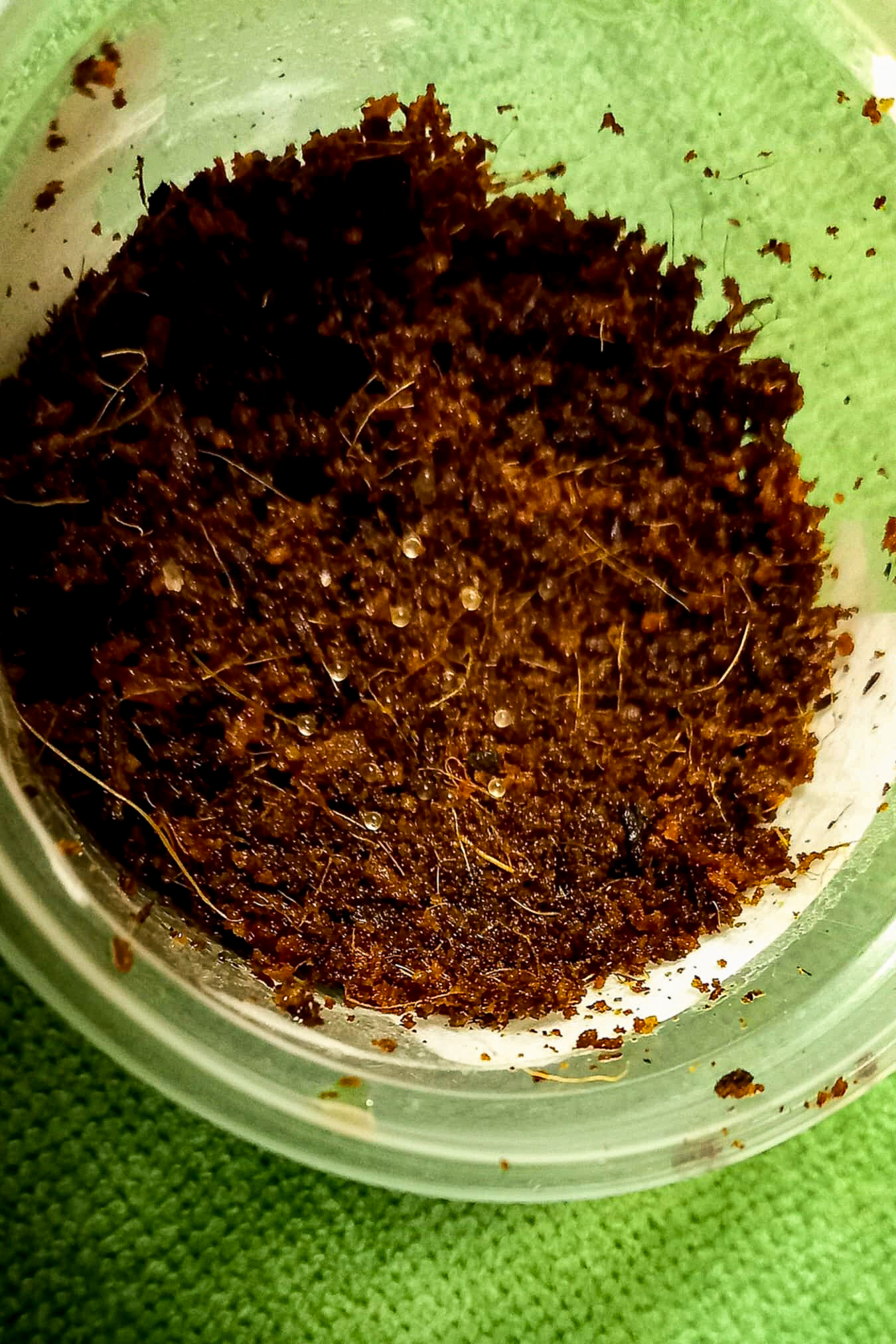
Store the eggs in this way for a few months in a plastic container to replicate the dry season. Once put into some shallow water, the eggs will hatch. You can repeat this multiple times as not all the killifish fry will hatch at the first attempt. Rear the fry on infusoria until they’re large enough for Newly hatched brine shrimp (Artemia nauplii).
Buy eggs not fish
Killifish eggs are hardy and require no water for transport. So killi fans can buy, sell or swap eggs by sending them via the post.
This is a great way to add new species or fresh bloodlines without the risk of any harm. Plus, you’ll know how old your fish are if you hatch them yourself, which is important for the short-lived species. Buying eggs from members of the BKA ensures good quality. If you like killis, it could be worth joining.
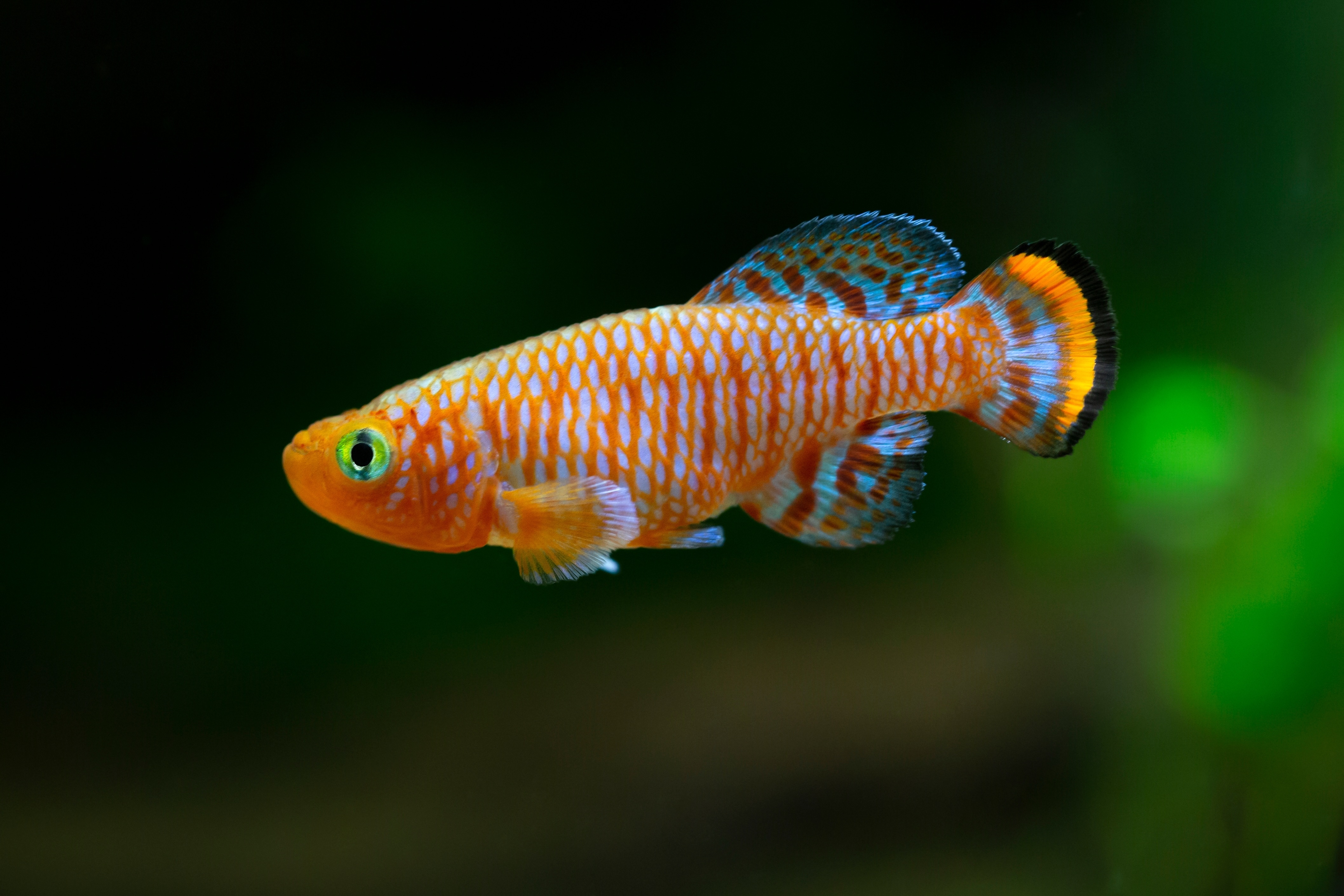
Bluefin notho killifish fact file
Scientific name: Nothobranchius rachovii
Size: Up to 5cm (2")
Origin: Occurs in Eastern Mozambique and Southern Malawi.
Habitat: Found in temporary pools and swamps. Some aquatic plants may bloom when the soft substrate floods.
Tank size: 45x30x30cm (18x12x12")
Water requirements: Fairly tolerant of water chemistry and a pH between 6 and 7.5 and below 8°H
Temperature: 20-24°C (68-75°F)
Temperament: Males can be persistent towards females, try to maintain at least two females per male. Given their short lifespan of up to a year, spawning should be the aim. As such you are best keeping them in a species only set up.
Feeding: A micropredator predating on the small organisms that arrive in the flooded pools. Offer fry infusoria first, followed by baby brine shrimp after a few days. Adults will accept a range of foods.
Availability & cost: Clutches of eggs can be available for as little as £10. Adults are an uncommon sight in the trade and price depends on source.