


Breeding fish at home can be rewarding, but can you make money from your hobby by doing it? We outline 6 tropical fish that you can sell for money!
Lots of people have the idea of tropical fish breeding to sell on. Financially, many of us are just aiming to supplement our hobby. Whereas, others are looking for some pocket money, and some have grand visions of real profit.
In reality, many aquarists have plenty of breeding success but with the wrong species. Aquarium fish may be easy to spawn and quick to re-home but have little value commercially. Equally, there are fish which may be rather tricky to breed, yet hold a greater value. However, these are hard to move on because the demand for these fish just isn’t there.
Related article: 5 freshwater 'fish' that are probably best to avoid breeding
Six fish to breed at home:
Breeding a particular fish because it appeals to you or you want to raise awareness is great. However, if you’re looking to make money by breeding fish, we’ve got a numerous suggestions here for your fish room. However, don’t leave your day job just yet as you will not be pocketing a fortune.
Dwarf cichlids:

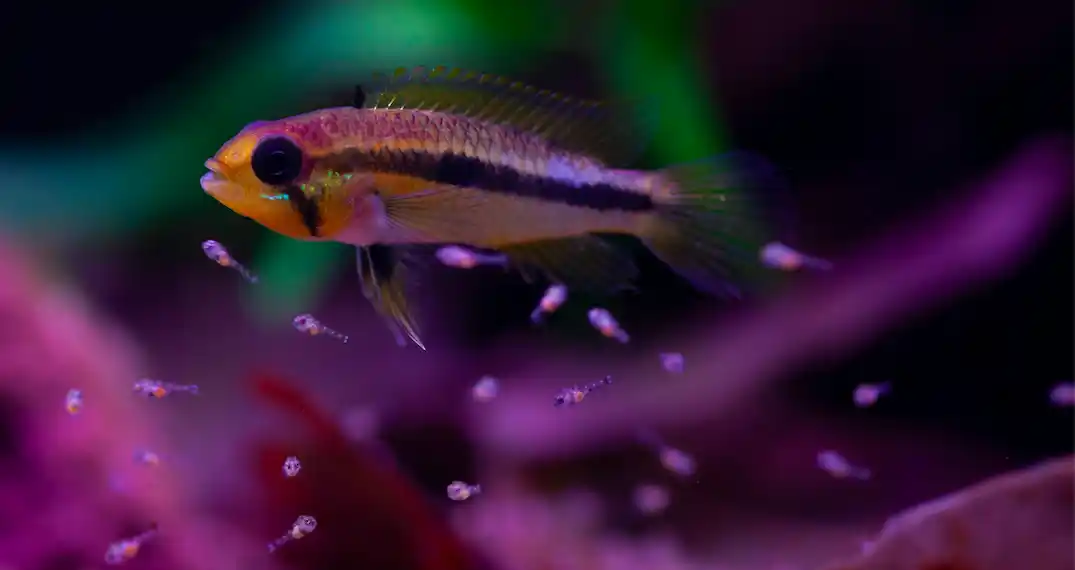
Let’s start with a reasonably simple option. For dwarf cichlids, I’m mostly thinking about Apistogramma spp. (concerning value). At £25 - £50 per pair for some of the more commonly encountered, they won’t set you back the earth to get broodstock.
Their requirements are rather straightforward, too. An average 60cm (24") tank with an air driven sponge filter, a heater and some terracotta flower pots will do just fine. Adding some leaf litter, bogwood or live aquatic plants can help furnish the tank. Nothing too exotic or expensive.
They like their water soft and at least slightly acidic. Buy a small cohort to start with and wait for a pair to form. Condition them with frozen and live foods. If they are stubborn, try replicating the rainy season with a cool, soft water change.

Ideally, you’ll need to culture your own baby brine shrimp (Artemia nauplii) to feed the free-swimming fry. They’ll need regular feeding and water quality must remain optimal via routine water changes.
These cichlids do grow somewhat slowly, so it will be a while for the fry to get to a saleable size. This is one of the reasons they hold a stable value. If you are patient enough though, you'll have a group of juvenile adults that plenty of people will want!
Wild-caught cichlids:

With the concern of weakened and mixed-up genetics occurring through mass production of fish, there is more value in F1 and F2 fish. These F numbers denote how many generations they are away from wild parents.
If you can get your hands on some wild broodstock, it will immediately increases the value of the resulting offspring. This is true throughout the hobby, but the highest demand seems to be for rift lake cichlids. This is because they hybridise regularly in captivity and people may not be sure of their exact genetic history.

The trick here is to settle the broodstock well. They will want their natural water parameters replicated and, at least initially, tank furniture should be familiar for them.
The size of the tank and tank-mates will depend on the species, but spacious would be the target for wild fish. They may need tank mates as dither fish, for some confidence-boosting. However, these will need to be quick, robust and large enough that they won’t become dinner. Yet they also need to be gentle enough that they won’t upset your newly captive broodstock.
Related Article: Where do our aquarium fish come from?
Discus:

Discus have always held a high value, partly because of their timeless beauty. However, it is mostly because of the difficulties of breeding them. You will encounter high start-up costs for a breeding project for discus.
To begin with, you’re looking at multiple tanks for growing on and maybe separate tanks for broodstock. You will also need high-quality water conditions, Artemia hatching equipment and plenty of quality sustenance. If you happen to have ideal tap water, it’ll cut out a large bill for RO water. You will need to perform regular water changes, and the ideal water required doesn't always come cheap.
The rise of the European captive bred discus has boosted the market recently. They tolerate harder and cooler water conditions when compared to wild fish or Malaysian farm-bred individuals. So, for the best stock obtain European discus if you can. You will encounter a greater pool of prospective buyers.

They will be dear to purchase. To get a mature, proven breeding pair you’re looking at around £180-£200 – for basic colour variants. Buying a group of smaller, immature fish and hoping for a pair to form will take a long time. Possibly, a pair may never even form.
Related article: Understanding water hardness
Zebra pleco:

You won’t need to invest as much capital into the set up as you would with discus to breed zebra plecs. However, they are still tricky to breed and nurturing the young is challenging. They too prefer softer water, so RO water, or utilising rainwater, is the way to go for most of the UK.
They aren’t the most productive of fish – laying around 15 eggs per clutch.
Another issue is the cost of broodstock, but the bonus of that is the sale price. Regularly seen at £150+ in the shops, a sale upwards of £90 is realistic for a hobbyist breeder. Other Hypancistrus species are worth considering also but their sale prices will often be less.
Clownfish:

Common clownfish have been commercially tank bred for many years now, and hobbyists have success with them too. We have two approaches for clownfish as a hobbyist breeder. At £25 the normal, common clown has a reasonable value. Plus, for marine fish they are easy to breed with up to 1000 eggs per batch, so the numbers game works.
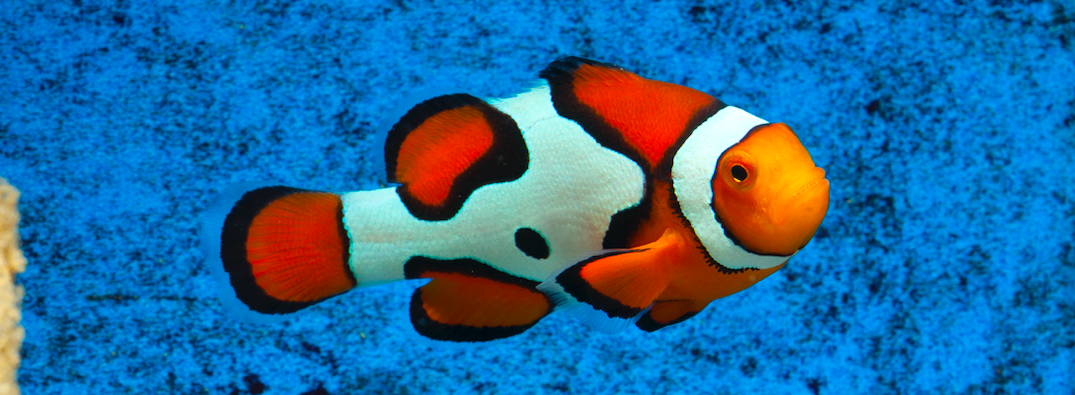
The other way to do it is to breed your own strain. So many variations of clownfish are now available, and they cost considerably more than a standard common.
Some Picasso and snowflake clownfish may double the value while some variants push past the £100 barrier. If you can develop a viable unique variant, you’re in the money. This one is about following trends, and this trend is still fairly current.
Yellow tang:

Now here’s a demanding target. Breeding tangs in aquaria is not the norm, until recent years we thought it impossible or next to. However, it’s definitely possible now.
Getting them through the early planktonic period is the real challenge. You need to provide the right plankton fish foods in enough volume while keeping water quality optimal. A tough balancing act!
The thing that makes me include the humble yellow tang is the sudden rise in cost. We have seen yellow tang values go from £35 to over £100 in the last few years. This is because of the bans and pressures that wild marine fish collecting are experiencing.
Also, if you can breed yellow tangs, you could probably breed even higher value tangs like Zebrasoma gemmatum, too. You might even make some money out of writing articles about your success too, we'd certainly love to study your methods.
Related article: Dealing with fish egg 'fungus'.